Introduction
Struggling to How to Fall Asleep at night? You’re not alone. Many people search for ways on how to fall How to Fall Asleep fast when their mind just won’t relax. Whether it’s stress, anxiety, or a poor bedtime routine, sleep problems can affect your health and daily life. The good news is that there are simple and natural methods that can help you sleep better. In this guide, you’ll learn how to fall asleep quickly, improve your sleep habits, and enjoy deeper rest. These easy tips are designed to work for anyone looking to sleep naturally without medication.
Why You Can’t Fall Asleep (Real Causes)
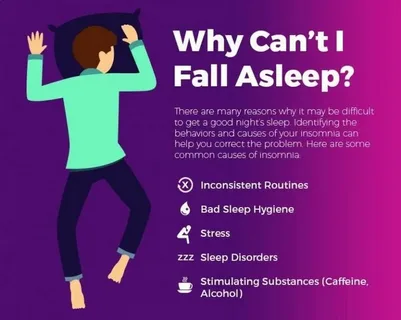
If you’re wondering why you can’t fall asleep, there are usually a few common reasons behind it. One of the biggest causes is stress and anxiety. When your mind is full of thoughts, it becomes hard to relax and fall asleep quickly. Overthinking at night can keep your brain active, making it difficult to enjoy deep rest.
Another reason is poor How to Fall Asleep habits. Irregular How to Fall Asleep schedules can confuse your body’s natural clock, also known as the circadian rhythm. This makes it harder to sleep better at night. Using your phone before bed is also a major problem. The blue light from screens reduces melatonin, the hormone that helps you sleep.
Your sleep environment also matters. Noise, bright lights, or an uncomfortable bed can lead to trouble falling asleep. Caffeine or heavy meals late at night can also affect your ability to fall asleep fast.
Understanding these causes is the first step to improving your sleep. Once you know what’s keeping you awake, it becomes easier to fix your habits and enjoy better, more restful nights.
How to Fall Asleep Fast (15 Proven Techniques)
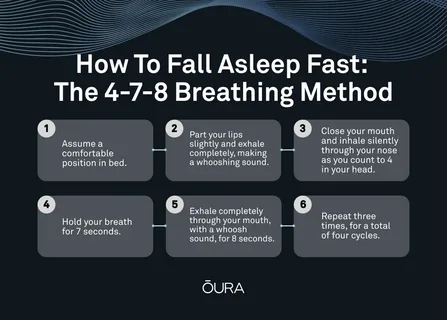
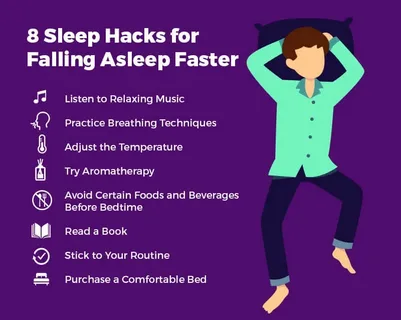
If you want to know how to fall asleep fast, simple techniques can make a big difference. Start with the 4-7-8 breathing technique. Breathe in for 4 seconds, hold for 7, and slowly exhale for 8. This helps calm your mind and body.
Another effective method is the military sleep method, which trains your body to relax step by step. You can also try progressive muscle relaxation by tightening and releasing each muscle group. This reduces tension and helps you fall asleep quickly.
Reading a book or listening to soft music can distract your mind from stress. A warm shower before bed also signals your body that it’s time to rest. Keeping your room cool, dark, and quiet improves your chances to sleep better.
If your thoughts are racing, try visualization. Imagine a peaceful place to relax your mind. These relaxation techniques are simple but powerful ways to help you How to Fall Asleep fast at night. By practicing them regularly, you can improve your sleep quality naturally.
How to Fall Asleep in 5 Minutes (Quick Fixes)
If you’re looking for How to Fall Asleepin 5 minutes, you need quick and simple techniques that relax your body instantly. One of the best methods is slow breathing. Focus on your breath and take deep, steady breaths to calm your mind. This helps you fall asleep fast without effort.
Another trick is the “mind distraction” technique. Instead of overthinking, try counting numbers slowly or repeating a calming word. This keeps your brain busy and prevents stress. You can also try relaxing your face and shoulders first, then slowly release tension from your whole body. This method is similar to the military sleep method and works well for many people.
If you’re not feeling sleepy, avoid checking your phone. Screen light can make it harder to fall asleep quickly. Instead, close your eyes and imagine a peaceful scene like a beach or forest. This helps your brain switch into sleep mode.
These quick fixes are perfect for nights when you can’t sleep. With practice, they can help you How to Fall Asleep instantly without medication and improve your overall sleep routine.
Natural Remedies for Better Sleep
If you prefer to How to Fall Asleepnaturally, there are many simple remedies that can help improve your sleep without medication. One of the most popular options is herbal tea. Drinks like chamomile or lavender tea have calming effects that relax your body and make it easier to fall asleep fast at night.
Magnesium-rich foods are also helpful. Foods like bananas, almonds, and leafy greens support muscle relaxation and improve sleep quality. Many people also look for natural remedies for sleep like warm milk, which may help your body feel calm before bed.
Creating a peaceful bedtime routine is just as important. Dim the lights, avoid loud noise, and keep your room cool to support better sleep. You can also use natural scents like lavender oil to relax your mind.
These home remedies for insomnia are easy to follow and safe for most people. When used regularly, they can help you sleep better at night naturally and improve your overall health. Small changes like these can make a big difference in helping you relax and fall asleep more easily.
What to Avoid Before Bed (Hidden Sleep Killers)
Many people don’t realize that certain habits can make it harder to fall asleep fast. Avoiding these “sleep killers” is just as important as following sleep tips. One of the biggest culprits is caffeine. Coffee, tea, or energy drinks in the evening can keep your mind awake and prevent you from sleeping better.
Heavy meals right before bed can also cause discomfort and slow down your ability to fall asleep quickly. Spicy or greasy foods may lead to indigestion, making it harder for your body to relax. Alcohol may seem to help you sleep, but it actually reduces sleep quality and can wake you up in the middle of the night.
Using your phone or other screens is another common problem. The blue light from devices tricks your brain into thinking it’s daytime, which reduces melatonin production—the hormone that helps you fall asleep naturally.
Stressful activities like checking emails or watching intense shows right before bed can also keep your mind active. Instead, create a calm bedtime routine by reading a book, meditating, or listening to soft music. Avoiding these habits consistently can make it much easier to How to Fall Asleep fast and enjoy more restful nights.
Best Bedtime Routine for Deep Sleep
Creating a consistent bedtime routine is one of the easiest ways toHow to Fall Asleep better and fall asleep fast. Your body responds well to regular habits, so try to go to bed and wake up at the same time every day, even on weekends. This helps regulate your circadian rhythm and makes it easier to fall asleep quickly.
Start winding down an hour before bed. Dim the lights, avoid screens, and do something relaxing like reading, listening to soft music, or gentle stretching. These small changes signal to your body that it’s time to rest. A warm shower or bath can also help lower your body temperature and prepare you for deep sleep.
Pay attention to your sleep environment. Make sure your bedroom is cool, dark, and quiet. Comfortable bedding and pillows also make a big difference in helping you sleep naturally. You can even try calming scents like lavender to enhance relaxation.
Avoid caffeine, heavy meals, and intense exercise close to bedtime. By following these simple steps every night, your body will learn to recognize when it’s time to sleep, making it easier to How to Fall Asleep fast at night and enjoy deeper, more restful sleep.
How Anxiety Affects Sleep (And What to Do)
Anxiety is one of the biggest reasons many people struggle to fall asleep fast. When your mind is full of worries, it becomes difficult to relax, making it hard to sleep better at night. Racing thoughts, stress about work, or personal issues can keep your brain active even when your body is tired.
To counter this, start with simple breathing techniques. Deep, slow breaths can calm your nervous system and signal to your body that it’s time to rest. Techniques like the 4-7-8 breathing method or progressive muscle relaxation are especially helpful for reducing anxiety before bed.
Mindfulness and meditation can also make a big difference. Focusing on the present moment instead of worrying about the past or future helps quiet your mind, making it easier to fall asleep quickly. Journaling before bed is another effective method—writing down your thoughts can relieve mental stress and prevent overthinking.
Creating a calming bedtime routine is key for managing anxiety. Dim the lights, avoid screens, and use soothing sounds or scents like lavender. By consistently practicing these strategies, you can reduce the impact of anxiety on your sleep and start enjoying natural, restful nights without relying on medication or stimulants.
What to Do If You Still Can’t Fall Asleep
Even with all the tips and techniques, sometimes you may still struggle to How to Fall Asleep fast. That’s completely normal, and there are simple steps you can take to help your body and mind relax. First, avoid lying in bed frustrated. Getting anxious about not sleeping can make it even harder to sleep better. Instead, get out of bed and do a calm activity like reading or listening to soft music until you feel sleepy.
Another helpful method is to reset your mind using visualization. Imagine a peaceful place, such as a quiet beach or a forest, and focus on the details. This mental exercise distracts your brain from racing thoughts and helps you How to Fall Asleep quickly. Gentle stretching or yoga can also release tension from your muscles, making it easier to drift off.
It’s important to maintain a consistent bedtime routine, even on difficult nights. Dim the lights, avoid screens, and follow your regular pre-sleep habits. Over time, your body will learn to associate these cues with sleep.
When to See a Doctor
Sometimes, trouble sleeping isn’t just a temporary issue—it can be a sign of a deeper health problem. Knowing when to see a doctor is important if you want to improve your sleep naturally and safely. If you consistently have difficulty falling asleep, staying asleep, or waking up too early, it may be time to seek professional help.
Chronic insomnia, How to Fall Asleep apnea, restless leg syndrome, or other sleep disorders can interfere with your ability to fall asleep fast and enjoy restorative sleep. Other warning signs include extreme daytime sleepiness, difficulty concentrating, irritability, or fatigue despite spending enough time in bed.
A doctor or sleep specialist can help identify the underlying cause of your sleep problems and provide guidance on treatment options. This may include behavioral therapy, lifestyle adjustments, or, in some cases, medication to help regulate sleep.
Even if your sleep issues are mild, consulting a professional can prevent long-term health problems like weakened immunity, high blood pressure, or mood disorders. Remember, seeking help doesn’t mean failure—it’s a step toward better health and a well-rested life. By taking action early, you can restore your ability to sleep better naturally and wake up feeling refreshed and energized every day.
FAQs About Falling Asleep
Many people have questions about how to fall asleep fast and improve their sleep. Here are answers to some of the most common concerns.
How can I fall asleep instantly?
While there’s no magic trick to fall asleep instantly, techniques like deep breathing, the military sleep method, and visualization can help your body relax quickly and make it easier to sleep naturally.
Why can’t I sleep even when I’m tired?
Overthinking, stress, irregular sleep schedules, or a poor How to Fall Asleep environment can keep your brain active at night. Adjusting your bedtime routine and avoiding screens before bed can help you fall asleep quickly.
Can I sleep without medication?
Yes! Many natural remedies, such as herbal teas, magnesium-rich foods, calming scents, and relaxation techniques, supportHow to Fall Asleep without the need for medication. These methods can help you sleep better at night naturally.
What if I still can’t sleep?
If sleeplessness continues for weeks, consult a doctor. Persistent sleep problems may indicate underlying health issues that require attention.
Are there foods or drinks that help sleep?
Yes, chamomile tea, warm milk, bananas, almonds, and other magnesium-rich foods can promote relaxation and improve sleep quality.
These simple tips and answers can guide you toward healthier sleep habits and help you fall asleep fast, enjoy deeper rest, and wake up refreshed.
Why You Can’t Fall Asleep (Real Causes)
Struggling toHow to Fall Asleep is often caused by stress, anxiety, or overthinking at night. When your mind is busy, it’s hard to sleep better. Poor sleep habits, like irregular bedtimes or using your phone before bed, can also interfere with your natural sleep rhythm. Your sleep environment matters too—noise, bright lights, or an uncomfortable bed can make it difficult to fall asleep quickly. Caffeine or heavy meals late in the evening can keep you awake. Understanding these causes is the first step toward improving your sleep naturally.
These information are gathered from different survays ,medical test and tech giants like google varoninc.com etc.Our top priority is to provide you a valuable information.
For more info about health condition Click Here.