Vitamin D Deficiency Newborn Symptoms: Early Warning Signs Every Parent Should Know
vitamin d deficiency newborn symptoms plays a vital role in a baby’s growth, bone health, and overall development. However, many parents are unaware of the early vitamin D deficiency newborn symptoms that can affect their child’s well-being. In some cases, vitamin d deficiency in newborns may cause subtle signs such as poor feeding, irritability, or unusual sleepiness. If left untreated, infant vitamin d deficiency symptoms can become more serious and impact healthy growth. Understanding the signs of vitamin d deficiency in newborns can help parents recognize problems early and seek timely medical advice to support their baby’s health.
What Is Vitamin D Deficiency in Newborns?
Vitamin D deficiency in newborns occurs when a baby does not have enough vitamin D to support healthy growth and development. This important nutrient helps the body absorb calcium and phosphorus, which are essential for strong bones and teeth. When vitamin D levels are low, babies may develop low vitamin d baby symptoms such as muscle weakness, poor growth, or feeding difficulties. In severe cases, newbornvitamin d deficiency newborn symptoms can affect bone development and increase the risk of health problems if not treated early.
Why Do Newborns Need Vitamin D?
Vitamin D is an essential nutrient that supports a newborn’s healthy growth and development. One of its most important jobs is helping the body absorb calcium and phosphorus. These minerals are needed to build strong bones and teeth during the early stages of life. Without enough vitamin D, a baby may struggle to absorb these nutrients properly, increasing the risk of vitamin d deficiency in newborns.
In addition to supporting bone health, vitamin D also plays a role in muscle function and immune system development. Babies with low vitamin D levels may be more likely to experience low vitamin d baby symptoms such as muscle weakness, poor feeding, irritability, or delayed growth. Over time, severe deficiency can lead to serious conditions like rickets, a disorder that causes soft and weak bones.
Because breast milk naturally contains only small amounts of vitamin D, many healthcare providers recommend vitamin D supplementation for breastfed infants. This helps reduce the risk ofvitamin d deficiency newborn symptoms symptoms in babies and supports healthy development.
Ensuring that newborns receive adequate vitamin D from the beginning can help prevent infantvitamin d deficiency newborn symptoms, promote proper bone development, and contribute to overall health and well-being during the first year of life.
Early Symptoms of Vitamin D Deficiency in Newborns
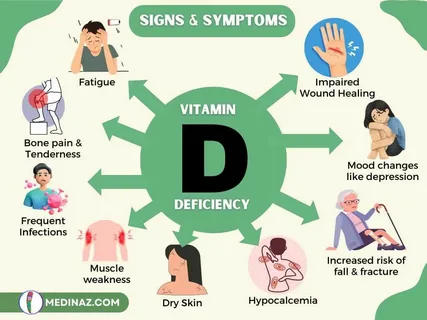
The early signs of vitamin d deficiency symptoms fatiguein newborns can be difficult to notice because they often develop gradually. Many babies may appear healthy at first, which is why parents should pay close attention to changes in feeding, behavior, and growth.
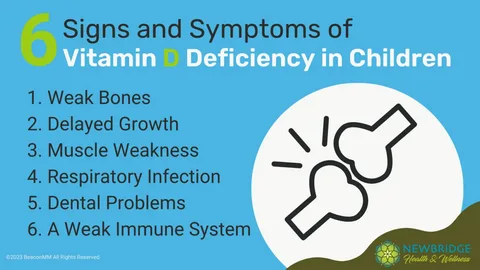
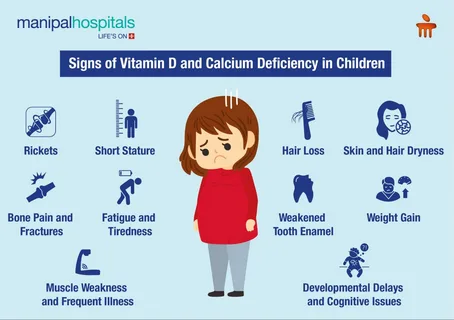
One of the most common vitamin d deficiency newborn symptoms is poor feeding. A baby may show less interest in feeding or struggle to consume enough milk. Excessive fussiness and irritability can also occur, causing babies to cry more often than usual. Some infants may seem unusually tired or sleepy, a condition known as lethargy.
Muscle weakness is another early warning sign. Babies withvitamin d deficiency newborn symptomsin infants may appear less active or have difficulty reaching normal developmental milestones. Delayed growth can also occur because vitamin D is essential for healthy bone development and calcium absorption.
In some cases, parents may notice frequent illnesses or infections, as vitamin D helps support the immune system. While these symptoms do not always mean a baby has a deficiency, they should not be ignored.
Recognizing these vitamin d deficiency symptoms in babies early can help parents seek medical advice before the condition becomes more serious. Early diagnosis and treatment can support healthy growth and reduce the risk of long-term complications.
Severe Symptoms That Require Immediate Medical Attention
If vitamin d deficiency newborn symptoms in newborns is left untreated, it can lead to serious health problems that require immediate medical care. While early symptoms may be mild, severe deficiency can affect a baby’s bones, muscles, and nervous system.
One of the most concerning newborn vitamin d deficiency symptoms fatigue symptoms is seizures. These can occur when low vitamin D levels cause a drop in calcium levels, a condition known as hypocalcemia. Seizures in newborns should always be treated as a medical emergency.
Breathing difficulties may also develop in severe cases. Weak chest muscles and poor bone development can make it harder for a baby to breathe normally. Some infants may also experience extreme muscle weakness, making them less active and responsive.
Another serious concern is failure to thrive. Babies with severe vitamin d deficiency symptoms in babies may struggle to gain weight, grow properly, or reach important developmental milestones. Over time, prolonged deficiency can lead to rickets, a condition that causes soft and weak bones.
Parents should seek immediate medical attention if they notice seizures, breathing problems, severe lethargy, or significant feeding difficulties. Recognizing these advanced signs of vitamin d deficiency in newborns early can help prevent complications and ensure prompt treatment for better long-term health outcomes.
How Vitamin D Deficiency Affects a Baby’s Bones
Vitamin D is essential for healthy bone growth because it helps the body absorb calcium and phosphorus. When a baby does not get enough vitamin D, these important minerals cannot be used effectively, which may lead to vitamin d deficiency in newborns and weakened bone development.
One of the most significant effects of newborn vitamin d deficiency is soft and fragile bones. Since a baby’s bones are still growing, a lack of vitamin D can prevent them from becoming strong and properly mineralized. As a result, infants may experience delayed growth and an increased risk of bone-related problems.
Over time, severe vitamin d deficiency symptoms in babies can lead to a condition called rickets. Rickets causes bones to become soft, weak, and more likely to bend or deform. In some cases, babies may develop delayed closure of the soft spots on their head or show signs of poor skeletal development.
Weak bones can also affect a baby’s ability to reach important physical milestones, such as sitting, crawling, and standing. This is why recognizing infant vitamin d deficiency newborn symptoms early is so important.
Ensuring adequate vitamin D intake through supplementation and proper medical guidance can support healthy bone development and help prevent long-term complications related to low vitamin d baby symptoms.
What Causes Vitamin D Deficiency in Newborns?
Several factors can contribute to vitamin d deficiency in newborns, and understanding these causes can help parents take preventive steps early. One of the most common causes is maternal vitamin d deficiency newborn symptoms during pregnancy. If a mother has low vitamin D levels, her baby may also be born with insufficient vitamin D stores.
Another major cause is exclusive breastfeeding without supplementation. While breast milk provides many important nutrients, it naturally contains only small amounts of vitamin D. This is why healthcare professionals often recommend vitamin D drops for breastfed infants.
Premature birth can also increase the risk of newborn vitamin d deficiency. Babies born early have less time to build vitamin D reserves before birth, making them more vulnerable to deficiency after delivery.
Limited sunlight exposure is another contributing factor. The body produces vitamin D when the skin is exposed to sunlight. Since newborns spend most of their time indoors and require protection from direct sun exposure, they may not produce enough vitamin D naturally.
These risk factors can lead to infant vitamin d deficiency newborn symptomssymptoms such as poor growth, muscle weakness, and feeding difficulties. Knowing the common causes of low vitamin d baby symptoms can help parents work with their pediatrician to ensure their baby receives the vitamin D needed for healthy growth and development.
Which Babies Are Most at Risk?
While any baby can develop vitamin d deficiency in newborns, some infants have a higher risk than others. Understanding these risk factors can help parents take steps to prevent potential health problems.
Breastfed babies are among the most vulnerable groups. Although breast milk is highly nutritious, it contains limited amounts of vitamin D. Without recommended vitamin D supplementation, breastfed infants may develop vitamin d deficiency symptoms in babies over time.
Premature babies are also at greater risk. Since much of a baby’s vitamin D supply is built during the final months of pregnancy, babies born early may have lower vitamin D stores at birth. This increases their chances of developing newborn vitamin d deficiency newborn symptomssymptoms.
Infants born to mothers with low vitamin D levels during pregnancy are another high-risk group.
Treatment Options for Vitamin D Deficiency in Newborns
The treatment for vitamin d deficiency in newborns depends on the severity of the condition and the baby’s overall health. In most cases, doctors recommend vitamin D supplements to restore healthy levels and prevent further complications. Early treatment is important because it can help reverse vitamin d deficiency symptoms in babies before they affect growth and development.
Vitamin D drops are commonly prescribed for infants, especially those who are exclusively breastfed. The dosage may vary depending on the baby’s age, vitamin D levels, and the presence of any health conditions. Parents should always follow their pediatrician’s instructions and avoid giving more than the recommended amount.
If a baby has severe newborn vitamin d deficiency symptoms, such as low calcium levels or signs of rickets, additional treatment may be needed. This can include calcium supplementation and regular monitoring to ensure that the baby is responding well to treatment.
Follow-up appointments are also an important part of recovery. Doctors may recommend blood tests to check vitamin D levels and assess improvement over time. With proper care, many infantvitamin d deficiency newborn symptoms improve significantly within a few weeks or months.
Prompt treatment of low vitamin d baby symptoms helps support healthy bone growth, muscle function, and overall development, allowing babies to thrive during their crucial early months of life.
How to Prevent Vitamin D Deficiency in Babies
Preventing vitamin d deficiency in newborns is often easier than treating it. Taking the right steps early can help support healthy growth, strong bones, and proper development throughout infancy.
One of the most effective ways to prevent newborn vitamin d deficiency is through vitamin D supplementation. Many pediatricians recommend vitamin D drops for breastfed babies because breast milk naturally contains only small amounts of this important nutrient. Parents should follow their doctor’s recommendations regarding the correct dosage and duration of supplementation.
Maternal health also plays an important role. Pregnant and breastfeeding mothers should maintain healthy vitamin D levels through proper nutrition and medical guidance. This can help reduce the risk of maternal vitamin d deficiency, which may affect a baby’s vitamin D stores at birth.
Regular pediatric checkups are another key part of prevention. These visits allow healthcare providers to monitor a baby’s growth, development, and overall health. Early detection of vitamin d deficiency newborn symptoms in babies can prevent more serious complications from developing.
Although sunlight helps the body produce vitamin D naturally, newborns should not rely solely on sun exposure to meet their needs. Safe supplementation remains the most reliable approach.
By focusing on proper nutrition, supplementation, and routine healthcare, parents can greatly reduce the risk of infant vitamin d deficiency symptoms and support their baby’s long-term health and well-being.
When Should Parents Contact a Pediatrician?
Parents should contact a pediatrician if they notice any vitamin d deficiency newborn symptoms, such as poor feeding, excessive irritability, unusual sleepiness, delayed growth, or muscle weakness. Early medical advice is important because vitamin d deficiency in newborns can worsen if left untreated. Immediate medical attention is needed if a baby experiences seizures, breathing difficulties, or signs of severe illness. Even mild infant vitamin d deficiency newborn symptoms should be discussed with a healthcare provider. Early diagnosis and treatment can help prevent complications and ensure your baby receives the support needed for healthy growth and development.
These information are gathered from different survays ,medical test and tech giants like google varoninc.com etc.Our top priority is to provide you a valuable information.
For more info about health condition Click Here.