Introduction
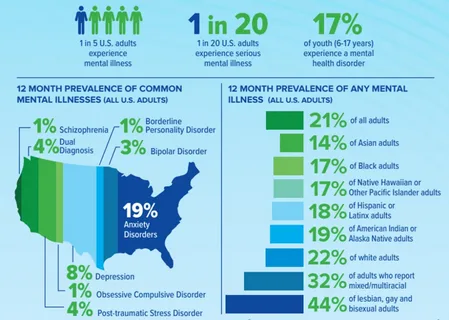
10 worst states for Mental health is becoming a growing concern across the United States, with millions of people struggling to access proper care. When looking at the worst states for mental health, clear differences begin to appear based on healthcare access, cost, and overall well-being. Recent 10 worst states for mental health statistics by state (2025) show that some regions face higher depression rates, anxiety levels, and limited mental health services availability. These challenges highlight a larger10 worst states for mental health mental health crisis in the US, where many individuals remain untreated. In this article, we’ll explore the mental health ranking by state, uncover key reasons behind these trends, and explain what they mean for residents.
How 10 worst states for Mental Health Rankings Are Determined
Understanding how experts identify the worst states for mental health requires looking at several important factors. These rankings are not random—they are based on detailed mental health statistics and real-world data. One of the biggest factors is mental health care access, which measures how easily people can find therapists, counselors, or psychiatric care. States with a strong mental health services availability tend to rank better.
Another key element is the prevalence of mental illness, including high depression rates by state and rising anxiety rates in the US. Experts also analyze suicide rates by state, which often reflect deeper issues in the healthcare system. In addition, insurance coverage plays a major role. States with a high uninsured population often have more untreated mental illness cases.
Finally, the number of providers matters. A serious mental health provider shortage can limit access to care, especially in rural areas. By combining all these factors, researchers create a clear mental health ranking by state, helping us understand which areas are struggling the most and why.
10 Worst States for Mental Health (Detailed Breakdown)
When looking at the worst states for 10 worst states for mental health, certain patterns become clear. Many of these states struggle with limited mental health care access, high depression rates by state, and a growing number of untreated cases. These rankings are based on overall mental health statistics by state (2025), including access to therapy, insurance coverage, and provider availability.
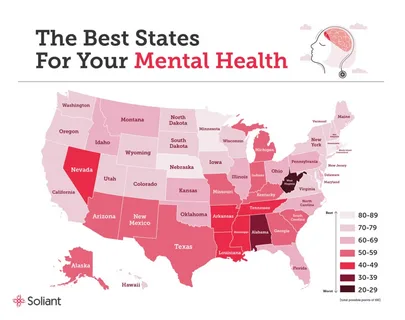
States like Texas, Alabama, and Mississippi often rank poorly due to a high uninsured population and weak mental health services availability. Others, such as Arizona and Nevada, face a serious mental health provider shortage, making it difficult for residents to get timely care. In some regions, rising anxiety rates in the US and increasing suicide rates by state further highlight the ongoing crisis.
Overall, these worst states for mental health care share common challenges like healthcare inequality, poverty, and limited resources. In the next sections, we’ll break down each state individually to understand the specific issues they face and why they continue to rank among the lowest in the mental health ranking by state.
Regional Trends
When analyzing the mental health ranking by state, clear regional patterns begin to emerge. Many of the worst states for mental health are located in the southern United States. These areas often face higher poverty levels, which directly impact mental health care access and overall well-being. Limited funding and weaker healthcare systems contribute to poor 10 worst states for mental health services availability.
Another major trend is the difference between rural and urban areas. Rural regions often experience a severe mental health provider shortage, making it harder for people to receive timely support. This leads to higher untreated mental illness rates and increased depression rates by state. In contrast, urban areas may have more providers but still struggle with affordability and high demand.
Additionally, healthcare inequality plays a significant role. States with a large uninsured population tend to rank lower because residents cannot afford therapy or counseling services. These regional differences highlight how the mental health crisis in the US is not evenly distributed. Instead, it is shaped by economic conditions, geography, and access to care, all of which influence overall mental health outcomes.
The Hidden Factors Behind Poor Mental Health
Beyond basic rankings, several hidden factors explain why some regions become the worst states for 10 worst states for mental health. One major issue is cultural stigma, which prevents many people from seeking help. In some communities, mental health is still not openly discussed, leading to higher untreated mental illness rates.
Another key factor is the cost of therapy in the US. Even where services exist, many people cannot afford them, especially in states with a high uninsured population. This directly reduces mental health care access and increases long-term struggles. Education and awareness also play a role. Lower awareness about symptoms can lead to delayed diagnosis, worsening depression rates by state and overall outcomes.
Social isolation is another hidden contributor. In rural areas, limited social interaction and fewer mental health resources can negatively affect emotional well-being. Additionally, there is a strong link between substance abuse and mental health, which further complicates recovery.
All these factors combined show that the mental health crisis in the US is not just about healthcare systems—it is also shaped by social, economic, and cultural challenges.
Mental Health Care Access Crisis in the US
The 10 worst states for mental health crisis in the US is deeply connected to poor 10 worst states for mental health care access. Even though awareness is increasing, millions of people still struggle to receive proper treatment. One of the biggest challenges is the growing mental health provider shortage. In many states, especially rural areas, there are not enough therapists, psychologists, or psychiatrists to meet demand. This leads to long waiting times and delayed care.
Another major issue is affordability. The high cost of therapy in the US makes it difficult for many individuals to seek help. This problem is worse in states with a large uninsured population, where people often avoid treatment altogether. As a result, untreated mental illness rates continue to rise.
Limited mental health services availability also plays a role. Some regions lack proper facilities, forcing residents to travel long distances for care. Combined with rising anxiety rates in the US and increasing depression rates by state, the system is under serious pressure.
These challenges explain why many regions continue to rank among the worst states for 10 worst states for mental health care, highlighting the urgent need for better access and support.
Best vs Worst States for Mental Health
Comparing the best vs worst states for 10 worst states formental health helps us understand what truly makes a difference. The worst states for mental health often struggle with poor mental health care access, high depression rates by state, and limited mental health services availability. These states also tend to have a large uninsured population, which increases untreated mental illness rates.
On the other hand, the best-performing states rank higher in the mental health ranking by state because they invest more in healthcare systems. They usually have better insurance coverage, more mental health professionals, and shorter waiting times. This improves overall mental health care access and reduces the impact of rising anxiety rates in the US.
Another key difference is awareness and education. States that promote 10 worst states for mental health awareness encourage people to seek help early, preventing conditions from getting worse. Strong community support and access to mental health resources also play a major role.
This comparison clearly shows that improving access, affordability, and awareness can significantly reduce the gap between the best and worst states for mental health care, offering better outcomes for residents.
How These Rankings Impact Residents
Living in one of the worst states for mental health can have a serious impact on daily life. Limited mental health care access means people often struggle to find timely support, which can worsen conditions over time. High depression rates by state and rising anxiety rates in the US can affect not only individuals but also families and communities.
One major effect is reduced quality of life. When mental health services availability is low, people may experience ongoing stress, emotional exhaustion, and difficulty managing everyday tasks. This can also impact work productivity, leading to job instability and financial challenges. In areas with a high uninsured population, many individuals avoid seeking help altogether, increasing untreated mental illness rates.
Physical health is also closely connected. Poor mental health can lead to issues like fatigue, sleep problems, and chronic illness. Additionally, lack of access to proper care can increase the risk of severe outcomes, including higher suicide rates by state.
Overall, these rankings highlight how the 10 worst states for mental health crisis in the US directly affects people’s well-being, making access to care more important than ever.
Solutions: How Mental Health Can Be Improved
Improving mental health across the country requires practical steps that address the root causes of the mental health crisis in the US. One of the most important solutions is expanding mental health care access. This includes increasing the number of professionals to reduce the ongoing mental health provider shortage, especially in rural areas.
Affordability is another key factor. Lowering the cost of therapy in the US and improving insurance coverage can help reduce the number of people in the uninsured population, making treatment more accessible. Expanding telehealth services is also a powerful solution, as it improves mental health services availability for people in remote locations.
Education and awareness campaigns can help reduce stigma and encourage early treatment. When people understand symptoms, it can lower untreated mental illness rates and prevent worsening conditions. Schools and workplaces can also play a role by promoting mental well-being.
Finally, better policies and funding can improve the overall mental health care system ranking. By addressing issues like high depression rates by state and rising anxiety rates in the US, these solutions can help create a healthier and more supportive environment for everyone.
Future Trends in Mental Health (2026 & Beyond)
The future of mental health care is evolving quickly, offering hope in addressing the mental health crisis in the US. One major trend is the rise of digital solutions, including online therapy platforms and mobile apps. These tools are improving mental health care access, especially in areas with limited mental health services availability.
Another important development is the use of technology like AI to support early diagnosis and personalized care. This can help reduce untreated mental illness rates by identifying symptoms sooner. Telehealth is also expected to grow, making it easier for people in rural areas to connect with professionals despite the ongoing mental health provider shortage.
Policy changes are also shaping the future. Governments are working to improve insurance coverage, which may reduce the impact of the uninsured population and make therapy more affordable. At the same time, increased awareness campaigns are helping lower stigma and address rising anxiety rates in the US and depression rates by state.
Overall, these trends show that while challenges remain, innovation and better policies can improve the mental health ranking by state in the coming years.
FAQ Section
Many people have common questions about the worst states for mental health and how these rankings are created. One frequent question is: What state has the worst 10 worst states for mental health care? While rankings change each year, states with poor mental health care access, high depression rates by state, and limited mental health services availability usually rank the lowest.
Another common question is: Why are some states worse for 10 worst states for mental health?
The answer often includes factors like a large uninsured population, mental health provider shortage, and high untreated mental illness rates. Economic challenges and lack of awareness also play a role.
People also ask: Which US state has the highest depression rate?
This varies yearly, but states with weaker healthcare systems and fewer mental health resources tend to have higher rates.
Finally, many wonder: How can mental health care be improved?
Expanding access, reducing costs, and increasing awareness can make a big difference. Addressing the mental health crisis in the US requires both policy changes and community support to improve outcomes nationwide.
Conclusion
The worst states for mental health highlight serious gaps in 10 worst states for mental health care access, affordability, and awareness. High depression rates by state, rising anxiety rates in the US, and limited mental health services availability continue to affect millions of people. However, understanding these challenges is the first step toward change. By improving access, reducing the uninsured population, and addressing the mental health provider shortage, better outcomes are possible. As awareness grows and new solutions emerge, there is hope for improving the mental health ranking by state and creating a healthier future for everyone.
These information are gathered from different survays ,medical test and tech giants like google varoninc.com etc.Our top priority is to provide you a valuable information.
For more info about health condition Click Here.